
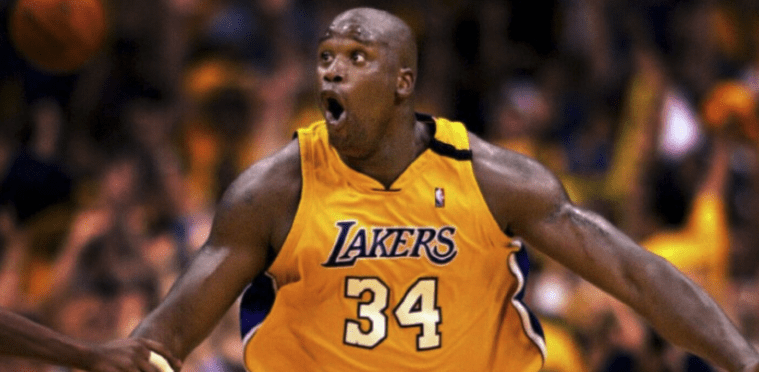
When Shaquille O’Neal entered the NBA in 1992, he didn’t feel like a rookie. He felt like a natural disaster.
At 7-foot-1 and over 300 pounds with explosive leaping ability, Shaq wasn’t just dominant — he was overwhelming. Backboards rattled. Rims bent. Defenders made business decisions. At his peak, the Diesel wasn’t simply the best big man in basketball; he was arguably the most physically imposing force the sport has ever seen.
The résumé speaks for itself: one MVP award, four NBA championships, three consecutive Finals MVPs, 15 All-Star selections, two scoring titles, and career averages of 23.7 points and 10.9 rebounds. He finished with over 28,000 points, ranking among the top scorers in league history. But what truly separated Shaq wasn’t just the numbers — it was the fear.
You could play textbook defense and still end up dunked on.
Shaq turned the paint into restricted territory. For more than a decade, he bullied his way to dominance, forcing franchises to sign extra seven-footers simply to absorb fouls. He didn’t stretch the floor — he owned the block. And in doing so, he reshaped how teams built their rosters.
But according to O’Neal, today’s version of the NBA looks very different — and not necessarily for the better.
Appearing recently on the expediTIously podcast, the 53-year-old Hall of Famer weighed in on the modern game and didn’t mince words.
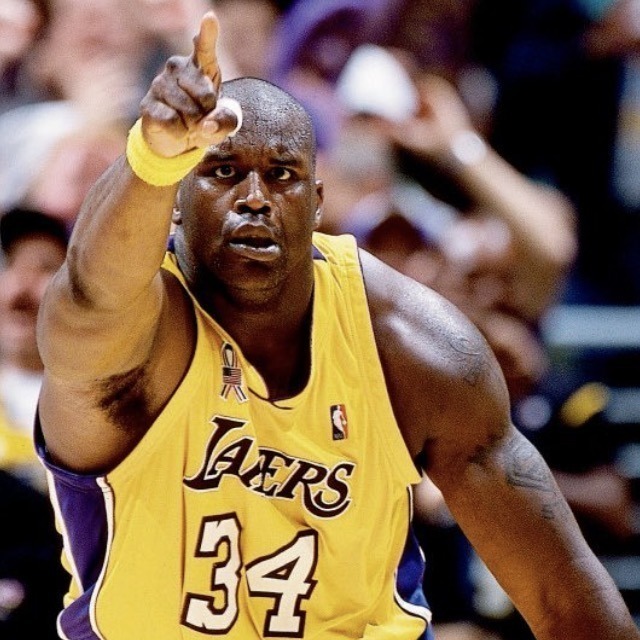

“I think it’s soft,” Shaq said. “When I was growing up, I saw big dogs in the paint throwing elbows. When I started doing that, everybody was scared of me and started fading out.”
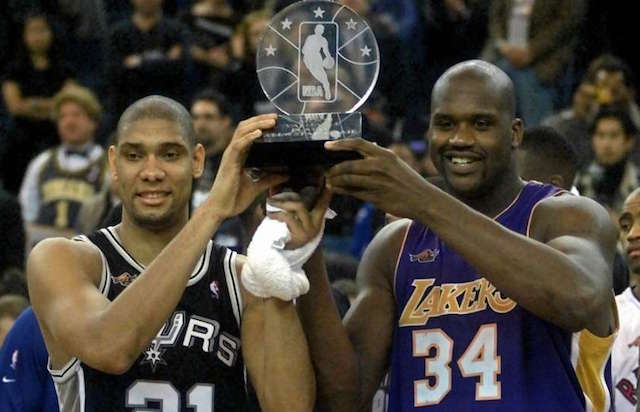
For Shaq, the transformation of the center position marks the biggest shift. He specifically pointed to Kevin Garnett and Tim Duncan as players who helped evolve the role of the traditional big man.
“The Garnetts, the Tim Duncans,” Shaq explained. “You see these big guys now, they’re picking and popping, shooting threes. When I had to guard them, they would step out. So as a kid, you’re watching guys 6’10” shooting jumpers — that’s what you practice.”
He’s not wrong about the evolution. Today’s big men are expected to stretch the floor, switch defensively, and operate like oversized guards. The days of parking on the low block and backing defenders down possession after possession are largely gone.
But context matters.
Garnett and Duncan didn’t evolve the position out of softness — they did it out of necessity. Shaq’s physical dominance forced opponents to counter with versatility and skill. If battling him inside felt like wrestling a tank, stepping out for a 15-footer suddenly made sense. Duncan, after all, won five championships with that adaptability. It worked.
The modern NBA prioritizes spacing, pace, and shooting efficiency. In that ecosystem, a traditional bruiser can sometimes clog the offense. Still, it’s hard not to imagine how prime Shaq would fare in today’s smaller lineups. With fewer true rim protectors and more perimeter-oriented centers, the Diesel might feast even more than he did in the early 2000s.
Soft or simply evolved? That debate will rage on.
But one thing is undeniable: when Shaq controlled the paint, the league had to adjust to him — not the other way around.
And that kind of dominance never really goes out of style.